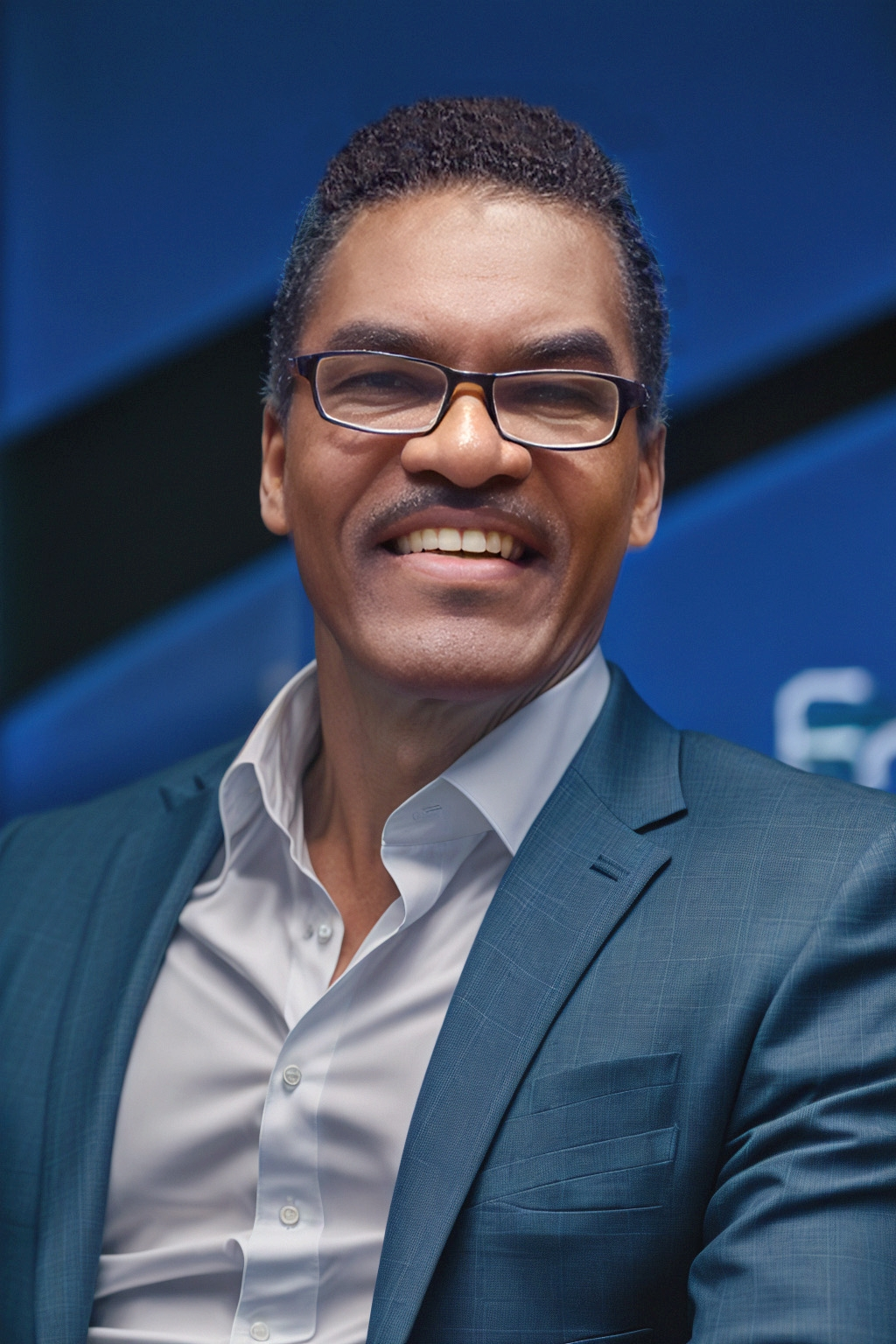
Hi, I’m Joseph Dyer
a
Cybersecurity Expert
Business Executive
Problem Solver
Over 40 years of information technology experience with over 20 years of information security. Proficient in working with C-level management and solving complex problems. Joseph Dyer is Vice President, Chief Information Security Officer at ICF. ICF is a leading global company that provides professional services, technology solutions, digital strategies and policy consulting solving complex challenges in areas critical to technology, energy, environmental, infrastructure, health, social programs, public safety, education and cybersecurity. Mr. Dyer directs ICF’s corporate global cyber security program. Mr. Dyer has implemented various information security strategies to align organization operations with industry standards and regulatory compliance, directed security and risk assessments, conducted forensics analysis, deployed enterprise wide security prevention safeguards, and succeeded in deploying effective incident response measures.
Selected as Global Cybersecurity finalist for the 2026 ORBIE Awards. The ORBIE Awards honor CISOs setting the standard for leadership. Each finalist demonstrates excellence in security leadership—driving growth, inspiring teams, and transforming organizations across the Capital area. Click here for mode detail. https://orbie.org/capitalciso/finalists
Just a few highlights
Experience
Mr. Dyer has over 40 years of information technology experience with over 25 years of information security expertise. He holds a BS degree in Information Systems and obtained several industry certifications. Click here for more about me
Expertise
Mr. Dyer has implemented various information security strategies to align organization operations with industry standards and regulatory compliance, implemented cybersecurity AI strategies, directed security and risk assessments, conducted complex forensics analysis, deployed enterprise-wide security prevention safeguards, and succeeded in deploying effective incident response measures.
Certifications
Industry certifications, but not limited to, Information System Security Professional (CISSP), Certified Chief Information Security Officer (C|CISO), Global Information Assurance Certification (GIAC), Certified Hacking Forensic Investigator (CHIF), Security+ and Certified Computer Forensic Examiner (CCFE).
My Media Updates
Inprecedented CISO Peer-to-Peer Award Selects Winners Based on Transparent Criteria Making it the Leading Honor of Its Kind
NY, New York, June 30 — The Esteemed CISO Board of Judges of the CISOs Top 100 CISOs (C100) Recognition, a first of its kind peer-to-peer honor given by CISOs Connect™, have announced the winners of the award which commends the preeminent security leaders across North America. CISOs Connect is an exclusive membership-only community for enterprise security executives.
“Congratulations to the C100 winners,” said Christine Vanderpool, Florida Crystals VP & CISO. “With over 500 applicants, I can tell you there were so many deserving recipients. As a first of its kind peer-to-peer award based solely on transparent criteria, the top 100 CISOs are truly exceptional leaders in our field, in the work they do, and in their commitment to give back.”
See the C100 winners here: https://tinyurl.com/3uvm4ejs
The C100 recognition honors the top 100 CISOs across industries who are experienced, proven leaders who share their expertise with others to continue to give back to the industry to further secure and protect organizations in the US and globally.
Top CISOs to Watch in 2023: ICF’s Joe Dyer
Joe Dyer’s proudest achievement this year was his team’s unwavering commitment to cultivating foresight. The team has been dedicated to identifying and combating emerging threats through actionable threat intelligence, combined with behavioral-based detection and response capabilities.
Private Sector Perspective: Strategies and Challenges _ Cyberfuture
Wednesday, January 17, 2024 (9:00 AM – 5:00 PM) (EST)
CYBER 2023! This year we are mixing it up and inviting all the component cyber teams that speak at our component days — all the cyber folks — all day long! Teams from cyber divisions will discuss the implementation of zero trust, the impacts of AI on their operations, their general cyber security posture and much more. We’ll bring all together for unprecedented cross-collaboration and detailed discussions around challenges and opportunities.
Come see me on the Private Sector Perspective: Strategies and Challenges Panel
Moderator: Robert Kolasky, Senior Vice President of Critical Infrastructure, Exiger; former Director, National Risk Management Center, Critical Infrastructure Security Agency
Joe Dyer, Chief Information Security Officer, ICF
Dean Irwin, Senior Director, Cybersecurity, Maximus
Shawn Kingsberry, Vice President, Cybersecurity, SAIC
Testimonial
Earl Mann
CEO Co-Founder Oq Point - AI, Data & Marketing - Motovational SpeakerCybersecurity & Technology Expertise
"Some leaders in IT are visionaries" They see, understand, and get there first. Others, just outwork everyone else and end up out in front leading others. Joe is both of these people."
Mike Spinosa
CEO Shield 7 & Serial EntrepreneurStrategic Visionary
"Joe Dyer has an exceptional ability to articulate a strategic vision and turn it into a practical plan of action. I’ve seen his leadership align teams around clear priorities and sustain focus through change. He leads with clarity and accountability, and his teams execute because they understand both the destination and the path."
Malik Pollard
Film Executive, Technology ExpertIntegrity & Cybersecurity Expertise
"Joe consistently demonstrates a deep understanding of cybersecurity principles, frameworks, and best practices. Beyond his technical expertise, Joseph is a collaborative team player who communicates complex security concepts in a clear and actionable way. His professionalism and integrity inspire confidence among colleagues and stakeholders alike."
Mr. Cybersecurity Blog
Deepfakes: The Rising Security Threat and How We Can Fight Back
In just a few years, deepfakes have evolved from amusing internet curiosities to one of the most pressing digital security concerns of our time. Powered by advanced AI models that can fabricate hyper‑realistic videos, audio, and images, deepfakes blur the line between truth and fiction in ways that challenge individuals, businesses, and governments alike. As the technology becomes more accessible, so does its potential for misuse.
Why Deepfakes Are a Serious Security Concern
1. Identity Theft at a New Level
Deepfakes can convincingly mimic a person’s face or voice, making it easier for attackers to impersonate individuals. Imagine receiving a video call from your “boss” asking for sensitive information or a voice message from a loved one requesting urgent financial help. These scenarios are no longer hypothetical.
2. Disinformation and Social Manipulation
Deepfakes can be weaponized to spread false narratives, influence public opinion, or destabilize institutions. A fabricated video of a public figure making inflammatory statements can go viral before fact‑checkers even have a chance to respond.
3. Corporate Espionage
Businesses face risks too. Deepfake audio can be used to authorize fraudulent transactions, manipulate stock prices, or leak fake announcements that damage reputations.
4. Erosion of Trust
Perhaps the most insidious threat is the erosion of trust itself. When people can no longer rely on what they see or hear, the entire information ecosystem becomes vulnerable.
Steps We Must Take to Protect Ourselves
1. Strengthen Digital Literacy
Education is the first line of defense. Individuals and organizations must learn how to spot signs of manipulation—unnatural blinking, mismatched lighting, distorted audio, or inconsistent facial expressions.
2. Adopt Authentication Technologies
Multi‑factor authentication, digital watermarking, and cryptographic verification can help confirm the authenticity of media. Companies should integrate these tools into their communication workflows.
3. Implement Robust Detection Systems
AI can fight AI. Advanced detection tools analyze pixel inconsistencies, audio patterns, and metadata to flag suspicious content. Governments and tech companies are already investing heavily in these systems.
4. Establish Clear Policies and Regulations
Legal frameworks need to evolve to address deepfake misuse. This includes penalties for malicious creation and distribution, as well as guidelines for responsible AI development.
5. Encourage Ethical AI Practices
Developers and organizations must commit to transparency, responsible data use, and safeguards that prevent their tools from being exploited.
6. Promote Rapid Response Protocols
When a deepfake surfaces, speed matters. Organizations should have crisis‑response plans to quickly debunk false content, notify stakeholders, and mitigate damage.
Key Thought: Deepfakes aren’t going away, they’re becoming more sophisticated. But with awareness, technology, and coordinated action, we can stay ahead of the threat. The key is not to fear the technology, but to understand it and build systems that protect truth in the digital age.
Should You Embrace AI? The Answer Is..
Artificial Intelligence (AI) is no longer a futuristic concept—it’s here, shaping the way we live, work, and secure our digital world. Whether you realize it or not, you’re already interacting with AI every day. The real question isn’t if AI will impact you, but how. And that’s why my recommendation is simple: engage with it.
Consumer vs. Adopter: Two Paths, One Destination
- Consumer of AI As a consumer, you benefit from AI passively. Think of spam filters in your email, recommendation engines on Netflix, or fraud detection in your bank account. You don’t build the technology, but you rely on it to make life easier, safer, and more personalized.
- Adopter of AI As an adopter, you actively integrate AI into your workflows, strategies, or business models. This could mean using AI-driven cybersecurity tools to detect threats faster, leveraging AI analytics to make smarter decisions, or even developing custom AI solutions tailored to your organization.
No matter which path you take, AI will influence your daily reality. The difference lies in whether you simply consume what’s offered—or strategically adopt it to gain a competitive edge.
Why Cybersecurity Demands AI Engagement
Cybersecurity is a battlefield where attackers are already using AI to automate phishing, crack passwords, and exploit vulnerabilities. To stay ahead, defenders must embrace AI too. Machine learning models can detect anomalies in real time, predict attack patterns, and reduce response times from hours to seconds. Ignoring AI in this space isn’t just a missed opportunity—it’s a risk.
The Broader Impact
AI isn’t limited to cybersecurity. It’s transforming industries from healthcare to finance, education to entertainment. Whether you’re a small business owner, a tech professional, or simply a digital citizen, AI will touch your life. The choice is whether you let it happen passively—or engage proactively to shape how it benefits you.
My Recommendation: Engage
You don’t need to be a data scientist to embrace AI. Start small:
- Explore AI-powered tools already available in your field.
- Stay informed about how AI is evolving in cybersecurity and beyond.
- Think critically about where AI can add value to your personal or professional life.
AI is not optional—it’s inevitable. Whether you’re a consumer or an adopter, it will shape your future. The smartest move is to lean in, learn, and engage. Because in cybersecurity and beyond, those who embrace AI will be the ones who thrive.
.
Top 5 Scams Consumers Must Watch for in 2026
As technology evolves, so do the tactics of scammers. From AI-generated impersonations to fake job offers, fraudsters are using sophisticated tools to exploit trust and urgency. Whether you’re shopping online, applying for jobs, or just answering your phone, staying informed is your best defense
1. Impersonation Scams (AI-Enhanced)
Scammers now use AI to mimic voices and faces—making fake calls, videos, and messages look eerily real. You might receive a call that sounds like your bank rep or even a family member, urging you to act fast.
How to protect yourself:
- Hang up and call the official number directly.
- Never share personal info over unexpected calls or texts.
- Use multi-factor authentication on sensitive accounts.
2. Fake Job Offers
Employment scams are surging. Fraudsters post fake listings or send unsolicited job offers, then ask for personal details or upfront payments for training or equipment.
Red flags:
- Requests for payment before starting.
- Offers without interviews.
- Poor grammar or generic job descriptions.
Tip: Verify job listings on official company websites and never pay to apply or onboard
3. Online Shopping Scams
Misleading ads on social media promote products that never arrive—or arrive as cheap knockoffs. Some sites vanish after collecting your payment.
How to stay safe:
-
Research unfamiliar retailers.
-
Check reviews and ratings.
-
Use secure payment methods (credit cards, not debit or wire transfers)
4. Crypto Investment Scams
Fake crypto exchanges and investment platforms lure users with promises of high returns. Victims deposit funds, only to face fake fees, blocked withdrawals, or sudden shutdowns.
Warning signs:
- Guaranteed profits.
- Pressure to invest quickly.
- Unverifiable company info.
Tip: Stick to well-known, regulated platforms and avoid unsolicited investment pitches
5. Bank Transfer Scams
Scammers spoof caller IDs to look like your bank, claiming fraud on your account. They instruct you to transfer money to a “safe” account—only to steal it.
How to protect yourself:
Report suspicious calls to the FTC or your bank immediately
Banks never ask you to move money to another account.
Always verify with your bank directly.
Final Advice: Stay Skeptical, Stay Secure
Scammers thrive on urgency and emotion. If something feels off—pause. Verify. Report. And share this blog to help others stay safe.
Contact Me
Joseph Dyer
Chief Information Security OfficerIf you need cyber security mentor guidance, seeking a speaker, need a panel expert for your security event, presenter for your school on cyber bullying and online safety, contact me with the details.
Phone: +1 240 343 1191 Email: contact@mrcybersecurity.com
“The Best Sense of Security is Common Sense”- Joe Dyer, CISO